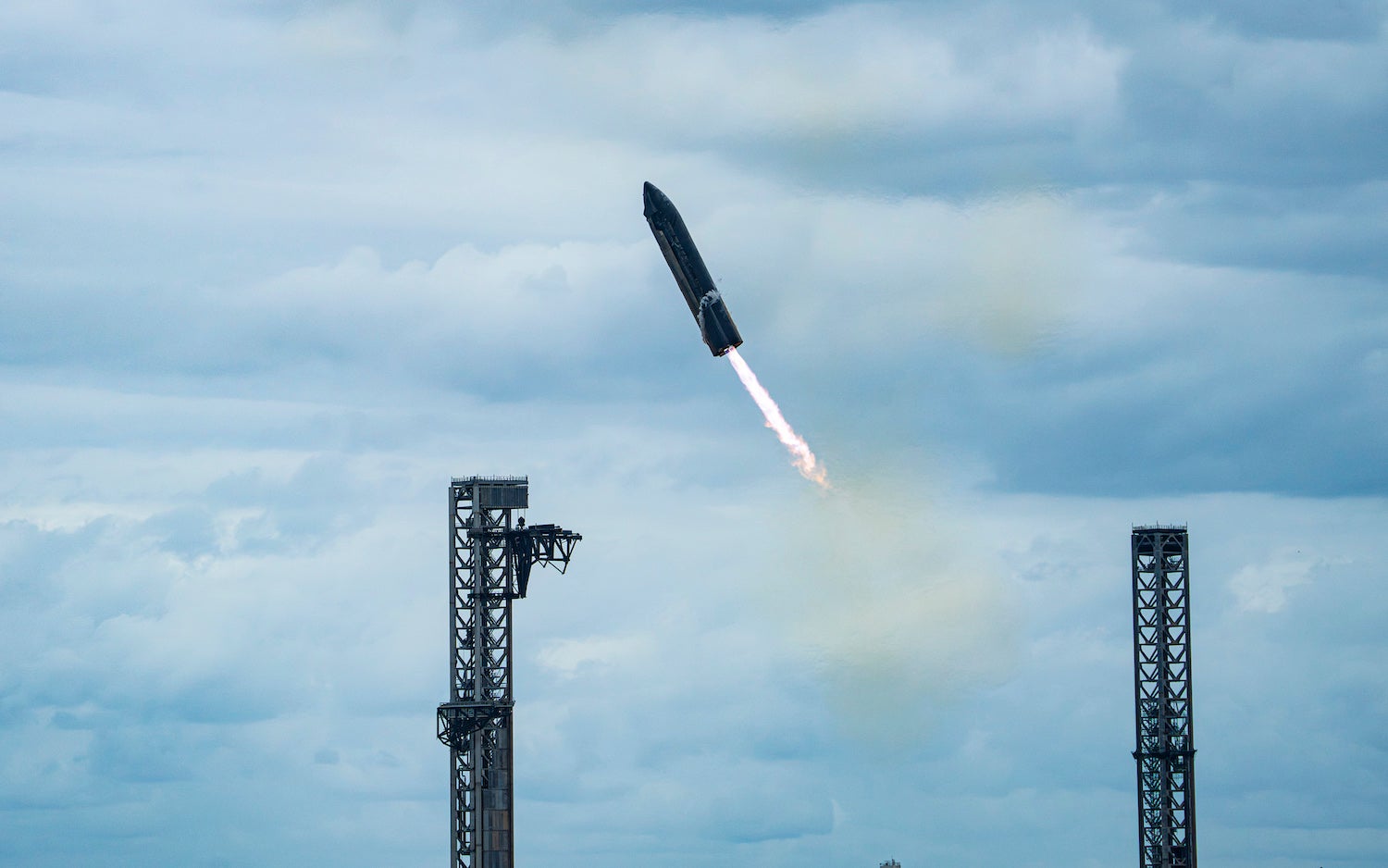
SpaceX successfully caught the Starship vehicle when it returned from an orbital flight on Saturday, marking a major milestone for the rocket’s development.
The catch was a historic moment for SpaceX, but the launch had an anomaly in the first portion of the flight and did not catch the Super Heavy booster — making a double-catch mission still elusive.
The mission launched on Friday, Nov. 13 at 4:47 p.m. CST from Starbase, Texas and wrapped up with the catch a day later at 3:20 p.m. CST on Saturday.
At the start of the mission, the Super Heavy booster and Starship separated from each other about 2 minutes and 30 seconds into the mission. SpaceX was planning to attempt a catch of the Super Heavy booster, but reported that the boostback burn ended early due to an anomaly. The booster was diverted to an offshore landing in the Gulf and was seen exploding while it splashed down.
On the ship side, Starship successfully performed an orbital insertion burn, successfully reaching orbit for the second time after first hitting the milestone in September.
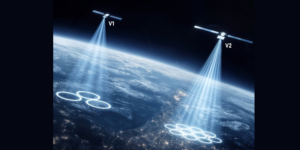
Starship then spent more than 21 hours in orbit. During that time it deployed 26 satellites for the Starlink V3 broadband constellation. SpaceX made the determination to return Starship to Earth and attempt the catch, which previous Starship flights have not been able to do.
During the landing, Starship relit a single Raptor engine and performed a deorbit burn, then lit three engines to descend into the landing tower chopstick arms to uproarious cheers from the SpaceX team as Starship returned to Earth
“Can you believe it? Mechzilla has caught the Starship,” SpaceX launch broadcast host Dan Huot said. “We’ve been waiting to hear that for a long time. Look at her. Baby, she’s back.”
SpaceX has caught the Super Heavy booster in three previous flights, but this was the first time it caught the Starship portion after an orbital flight.